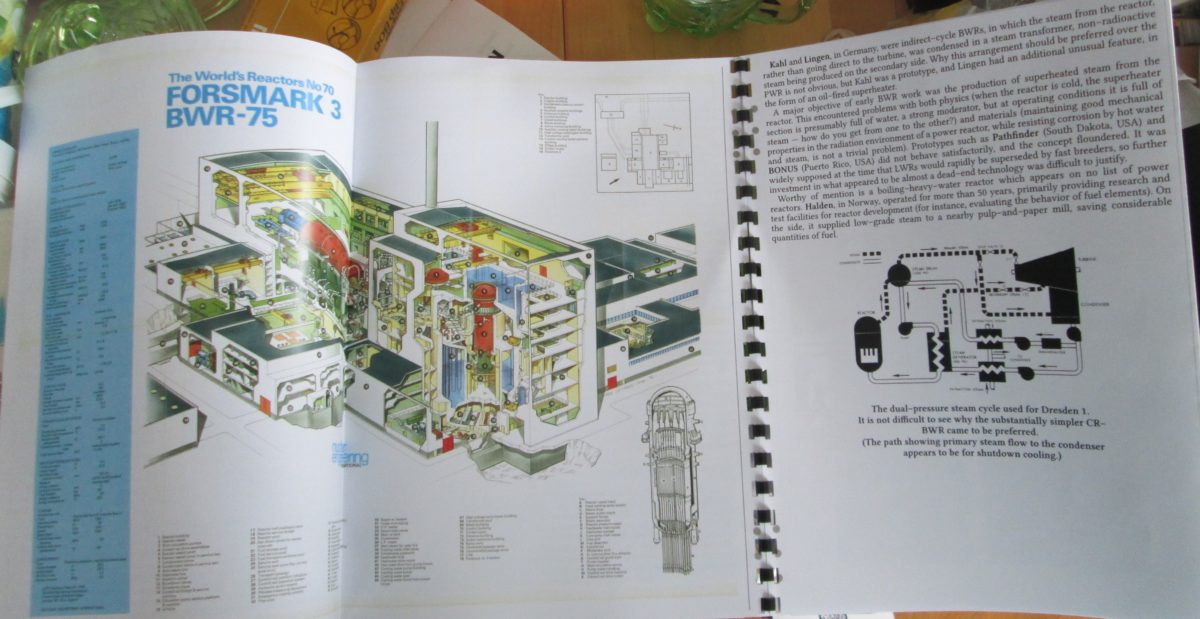
Recent events in Romania once again lead us to question the notion of “economic efficiency”. Does it really make sense to re–define what we consider good to match the outcome of a theory? Also, further travel plans, and a stab at re–formatting the Man and Atom Briefing Book.
Author: publius
Fools! I will destroy you all!!
ASFO 2026–05–09
Anything but nuclear strikes again, with a proposal to link Canada and Europe by an undersea electric transmission line. The problem is not that this is a bad idea, per se : it is merely a costly and roundabout way of approaching a problem that we already have a more satisfactory solution for. Also, more doubt cast on the Canadian Atlantic spaceport ; and a consideration of common misconceptions and their implications.
ASFO 2026–05–02
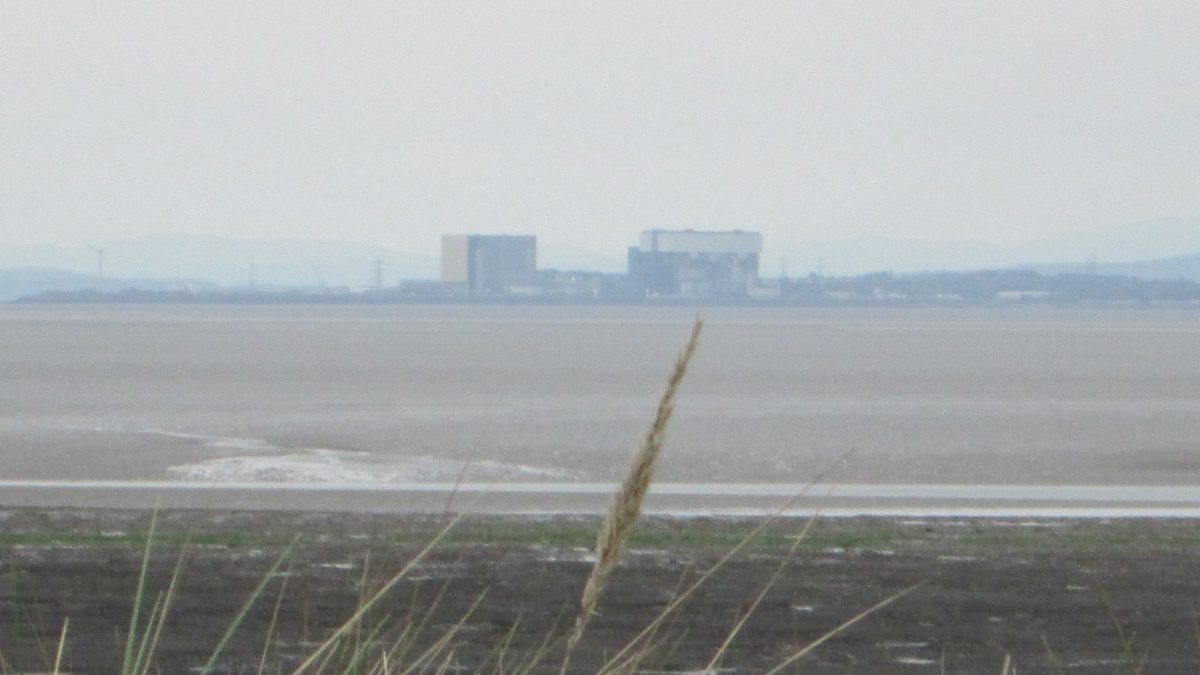
Blackpool, and why I am not likely to visit Pleasure Beach. This episode recorded ex post facto, because I lost track of time while riding the tram system — the only one in Britain to have been spared. From its northern terminus you can see the Heysham nuclear power stations. Also a “Museum of Water and Steam”, and Humphrey Davy and Isambard Kingdom Brunel, still two names to conjure with.
ASFO 2026–04–25

Britain! The British Museum, and why I can’t get in even though it’s just outside my window… Also a report on my visit to Thurso, at the northern extremity of Britain ; and (continuing from last week’s Pannonian Ethanol) a brief thought about the perhaps–reasonable justifications for the use of biofuels, as opposed to the environmental ones, which are delusory.
ASFO 2026–04–18
Anything would be a let–down after last week. This show ended up being mostly about my upcoming travel plans in Britain, and some of the interesting industrial museums there, with a mention of something described as a “Luxury Dreadnought”. Also a discussion of the economics of the Eurail Pass, water damage on printed materials, the continuing policy failures of the Bundes Ministerium, and congratulations to the Japanese for getting one of the reactors at the Kashiwazaki–Kariwa power plant back in operation. If all of them were working, it would be the largest nuclear power site in the world, but that never has happened.
ASFO 2026–04–11
ARTEMIS II grabbed the imagination of the world, but left us with two thoughts. First, that we somehow have all this to do over again ; and second, it sets before us once more the stark choice of what to do with our scientific–technological mastery over the inanimate world.
ASFO 2026–04–04
ARTEMIS II — an opportunity to re–define the First of April, or a golden opportunity for conspiracy nuts? Also, wars and rumours of worse ; and a thought about “financialization” and why it poses a problem in the modern world.
ASFO 2026–03–28
South Australia — not just for sea chanties anymore? Related, petrol rationing in New Zealand, and the difficulty of getting and maintaining political support for slow–maturing measures against problems which appear as occasional crises of moderate duration. Also, Artemis II, supply–chain attacks very literally, re–stranded whales, computer–related (but not –generated this time!) idiocy, and more generally, thinking like an Ayatollah.
- Archive Recording (incomplete due to network problems)
- 2026 ASFO Masterpost
- A Step Farther Out Masterpost
- Previous Week
- Following Week
- Patreon campaign
ASFO 2026–03–21
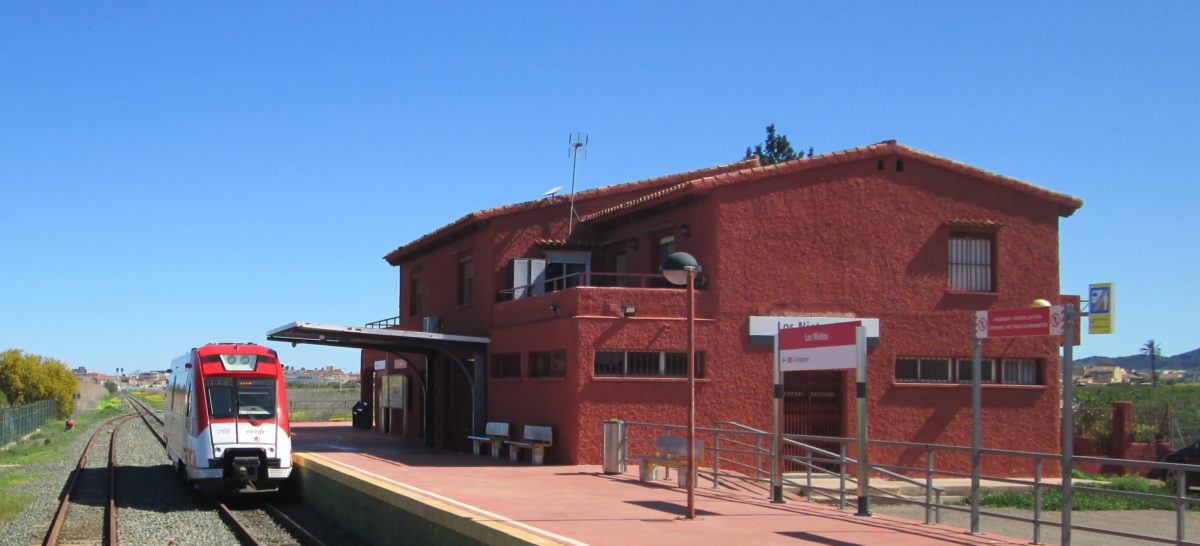
Justus Freiherr von Liebig — why does it always come back to him? Oil refineries burning — who could possibly have foreseen this? A Canadian spaceport… in Nova Scotia? Also, meter–gage railways of provincial Spain, and possible consequences of helium supply constraints.
- Archive Recording
- 2026 ASFO Masterpost
- A Step Farther Out Masterpost
- Previous Week
- Following Week
- Patreon campaign
Supplementary Show
2026–03–24 From the 1955 book Atoms for Peace by Donald O Woodbury, the Foreword, and from Part I Atomic Power is on the Way, chapters 23 “How Safe is Atomic Power?” and 24 “Skill Beats the Atom”, describing the December 1952 accident at NRX, Chalk River, Ontario, and the ensuing cleanup and recovery operations ; and chapters 1 “Dawn at Midnight” and 2 “Approach to Peace”.
ASFO 2026–03–14
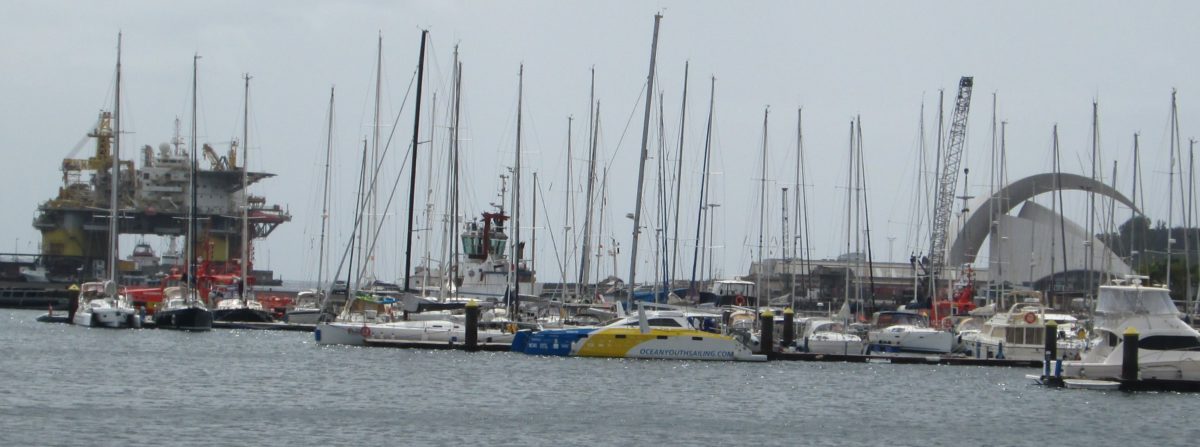
Tenerife — metacentric height — Artemis II — Ursula van der Leyen’s “strategic mistake” and the predictable German reaction — “Commander in Chief” — Eastercon?